July 24, 2026
Choosing the perfect countertop is one of the most critical decisions in any home renovation project. While traditional options like granite and marble have long been prized for their luxury, engineered quartz surfaces are rapidly becoming the dominant choice for modern designs. This guide breaks down the science, durability, and practical benefits of quartz to show why it outshines natural stone in the everyday home.
What are Quartz Counters?
Composition and Manufacturing Process
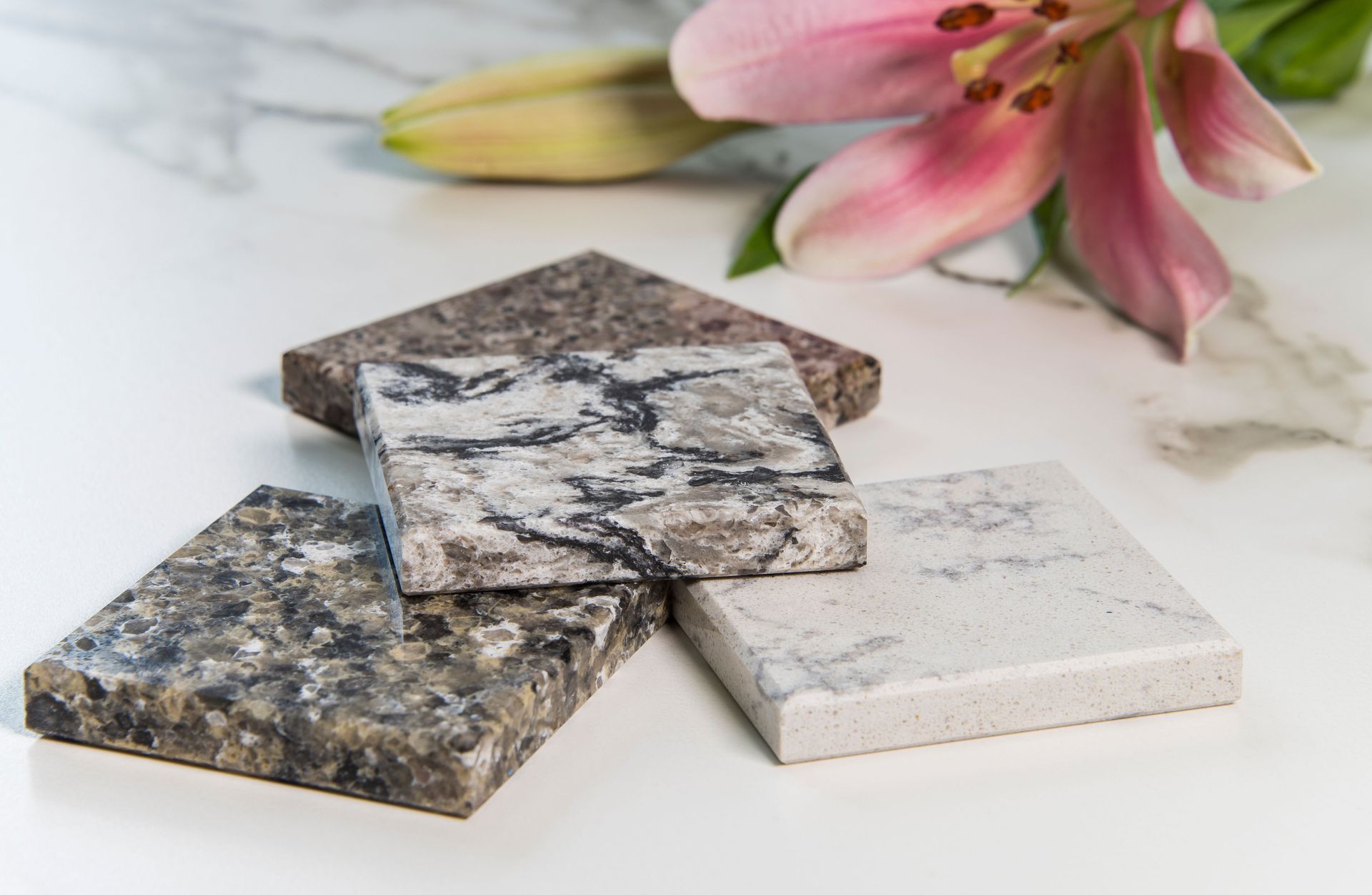
Quartz counters are engineered surfaces composed mostly of crushed natural quartz and some polyresin binding agents. The production process involves combining the quartz with a resin, followed by heating and compacting the mixture into highly durable slabs. This method creates a surface that mimics the appearance of natural stone, but with significantly enhanced durability and consistency.
Unlike natural stones, quartz counters are non-porous, resulting from this carefully controlled fabrication process. This non-porous nature ensures resistance against staining and bacterial growth, making them a popular choice for kitchens and bathrooms. The variety in design and color is achieved through the introduction of pigments and patterns during the manufacturing process, with each slab crafted to have a consistent aesthetic appeal across batches.
Comparison with Natural Stone
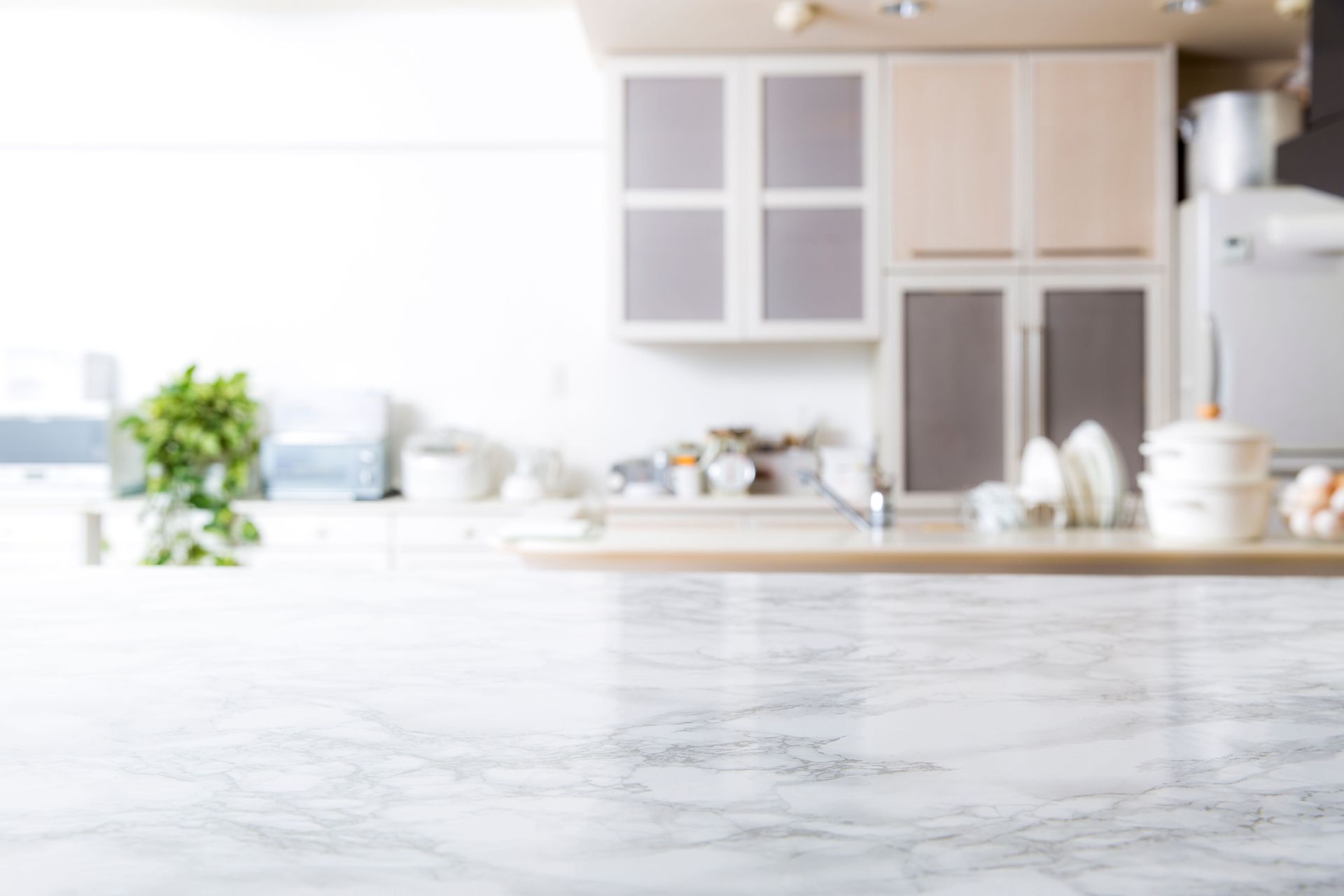
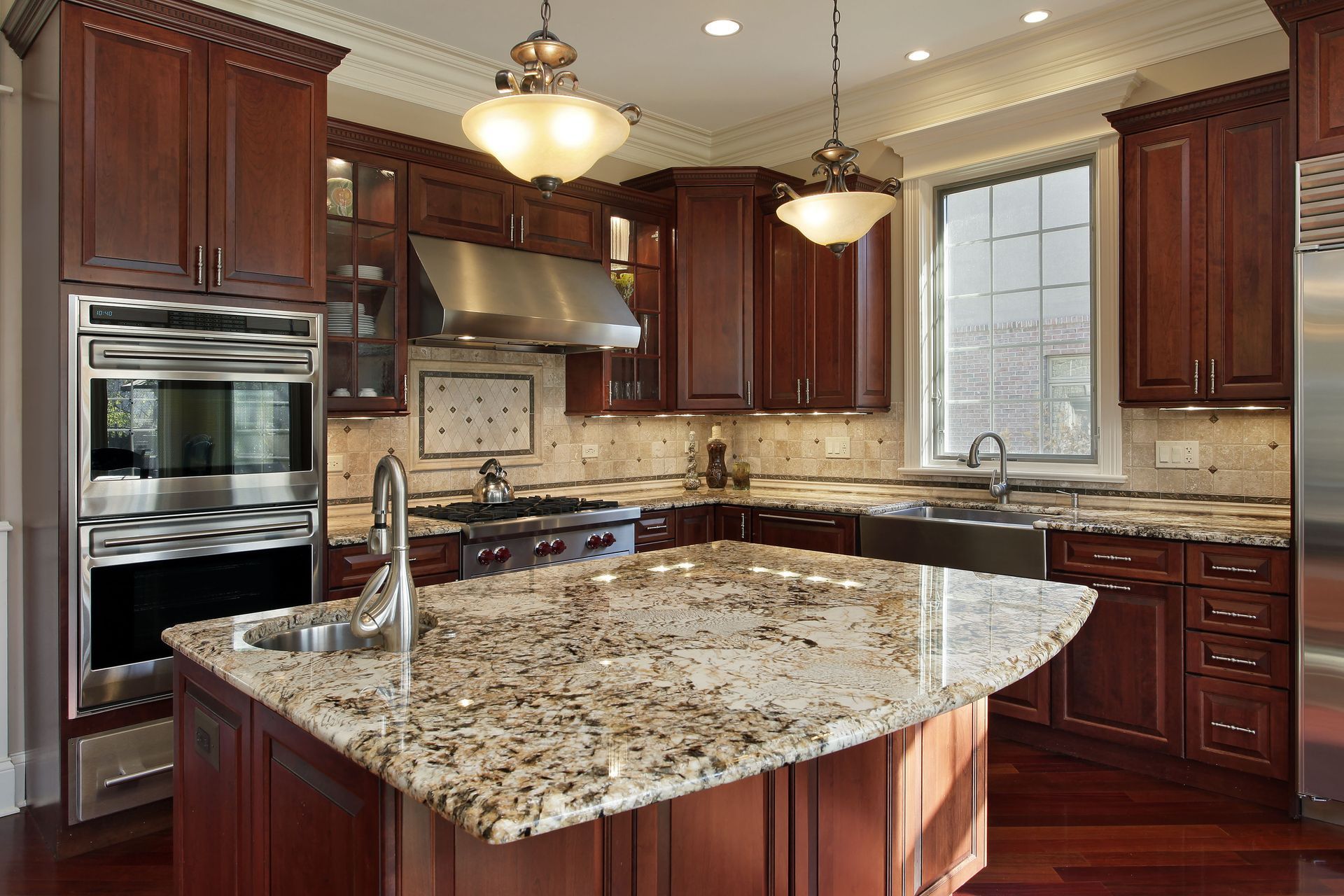
Unlike traditional natural stones such as granite and marble, quartz counters provide a completely uniform and consistent appearance. Natural stones, though beautiful with their organic patterns, often include structural irregularities and unpredictable veining that can complicate large-scale installations. In contrast, quartz offers the reliability of visual symmetry without sacrificing aesthetic appeal. Furthermore, quartz counters require far less maintenance, eliminating the need for periodic sealing.
Additionally, the efficiency of quartz fabrication leads to excellent cost-effectiveness across various installations when compared to rare natural stones. While high-end marbles and exotic granites can be remarkably expensive, quartz offers a balanced, high-value alternative. According to Market Reports World, around 72% of high-end kitchen renovations in urban areas are now incorporating quartz countertops; this shows that homeowners are balancing cost and performance. Ultimately, quartz captures the essence of luxury with unmatched everyday practicality.
Visual Appeal and Design Flexibility
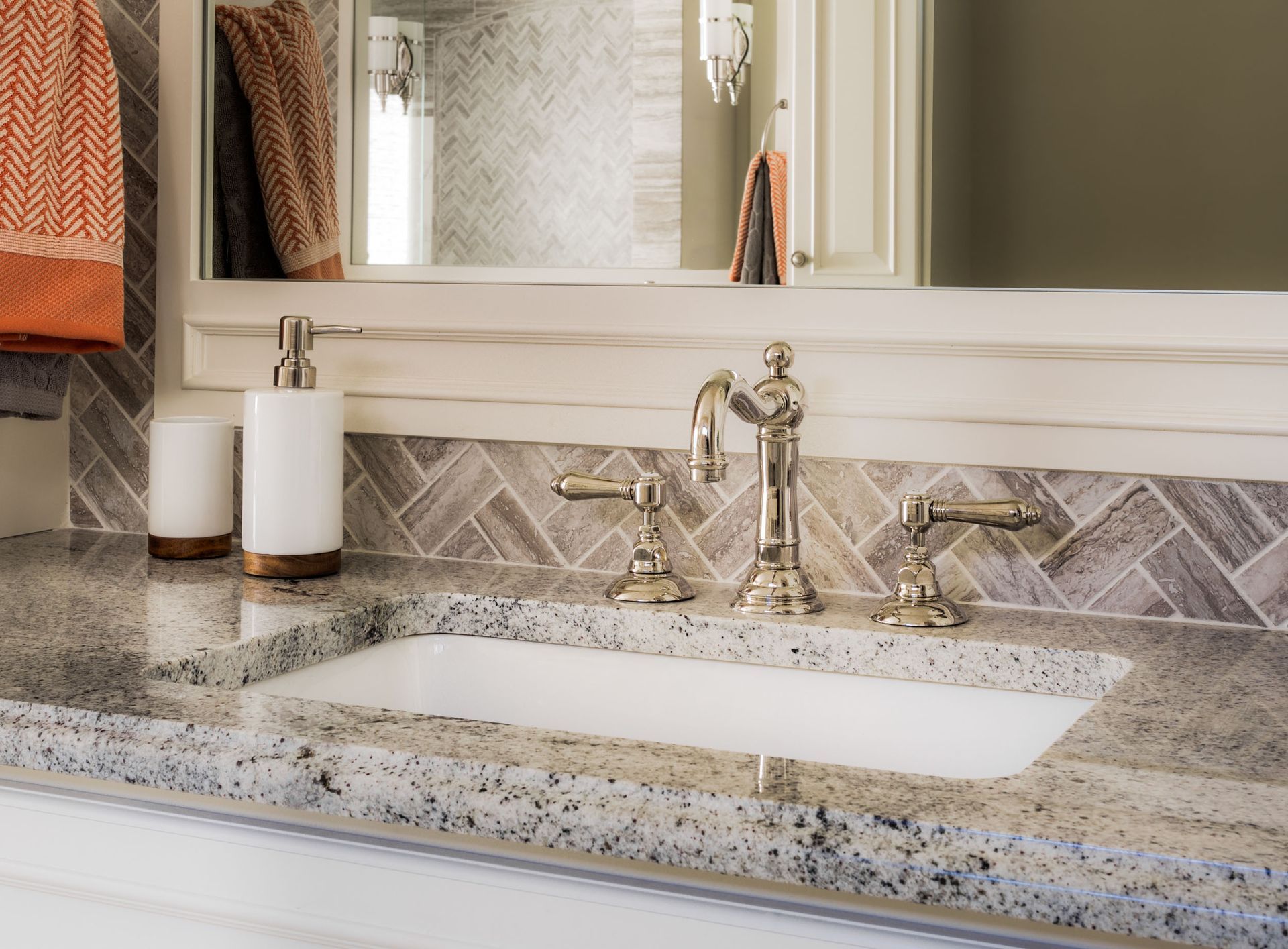
One of the primary attractions of quartz is the vast range of colors and designs available. By customizing the resins and additives, manufacturers can produce surfaces that perfectly complement any kitchen or bathroom color scheme. The predictability of engineered quartz ensures visual consistency across multiple pieces and home renovations. Homeowners can choose anything from classic, clean whites to bold, dramatic patterns.
Cost Considerations
The long-term affordability of quartz counters makes them an attractive selling point for remodeling projects on any budget. Although initial costs might be comparable to mid-range natural stones, the long-term savings are substantial due to the virtually nonexistent maintenance costs. Unlike natural stones, quartz does not require annual sealing treatments or specialized stone cleansers. This saves money and simplifies daily cleaning routines.
Depending on slab thickness and the complexity of the cut, price points can vary. However, because quartz is engineered, there is much less material waste during fabrication, contributing to a more efficient and eco-friendly manufacturing footprint. While some households might still opt for exclusive natural stones for their premium status, others choose quartz for identical aesthetics at a more practical price point.
How Do Quartz Counters Compare to Granite and Marble?
Durability and Strength
Quartz counters are recognized for their exceptional durability and strength, which are direct results of both the natural hardness of quartz minerals and the engineering process. In comparison, granite and marble, while sturdy, cannot match the resilience of quartz against everyday wear and tear. The non-porous surface of quartz naturally repels moisture, which can compromise the structural integrity of natural stone over time. Consequently, quartz offers an incredibly long-lasting solution for busy households.
Where granite and marble may chip, scratch, or etch from active kitchen use, quartz stands firm against accidental impacts. Its resilience extends over its lifetime, showing negligible wear even under demanding conditions. Homeowners can cook with confidence, knowing that standard kitchen activities and heavy cookware are unlikely to mar the surface.
Resistance to Stains and Scratches
Unlike natural stones, quartz counters exhibit incredible resistance to stains. The resins used in quartz manufacturing block the absorption of liquids, meaning that common kitchen spills—like red wine, cooking oils, or citrus juices—can be wiped away easily without leaving a permanent mark. This makes quartz incredibly favorable for active home cooks and busy families alike.
On the Mohs hardness scale, quartz is positioned near the top, meaning it easily endures typical kitchen mishaps without scratching. This scratch resistance is a major advantage in homes with children or in high-use settings where surface wear is a constant concern.
Maintenance and Care
Because countertops are central features in kitchens and bathrooms, ease of maintenance is a major factor in material selection. Quartz counters offer an incredibly easy maintenance profile compared to granites and marbles. The non-porous barrier prevents dirt and grime from sinking into the material, making daily cleanup fast and simple.
This stands in stark contrast to the rigorous care schedules associated with natural stones. Natural stone requires periodic resealing to maintain its water and stain resistance. With quartz, these regular treatments are entirely unnecessary, reducing long-term upkeep costs and eliminating the need for harsh chemical sealers.
Eco-Friendliness
Environmental considerations are increasingly prominent in modern construction, and quartz counters align well with green building goals. Unlike raw quarried stone, quartz manufacturing often incorporates recycled materials and stone byproducts, reducing raw resource consumption. The engineering process focuses on sustainable, low-waste fabrication practices, reinforcing its appeal for eco-conscious home designs.
This eco-friendly profile resonates deeply with modern consumers. Urban remodels benefit from adopting these sustainable designs to align with new building standards that aim to reduce ecological footprints. Additionally, engineered slabs are optimized for transport and installation, helping to streamline construction logistics.
Are Quartz Counters Suitable for Kitchen Use?
Heat Resistance and Tolerance
The use of quartz in kitchens occasionally raises questions about heat tolerance. While quartz is highly heat-resistant, it is not entirely heat-proof. Direct exposure to extreme temperatures can damage the resin binders, potentially causing discoloration or warping. Homeowners should avoid placing hot pans directly off the stove onto the surface, using trivets or hot pads instead to preserve the counter's pristine look.
Bacterial Resistance and Hygiene
A standout feature of quartz counters in the kitchen is their natural bacterial resistance. The dense, non-porous structure blocks moisture absorption, preventing the growth of mold, mildew, and harmful bacteria. This provides a major hygiene advantage in food preparation areas.
With growing awareness around food safety, having a naturally hygienic countertop is a major benefit. Quartz helps prevent cross-contamination, giving homeowners peace of mind during meal prep. It is an ideal, health-conscious choice for modern homes.
Installation Process
The installation of quartz counters is a highly precise process. Fabricators take exact measurements of the kitchen layout, ensuring that the finished slabs align perfectly with the walls, cabinets, and appliances. Because quartz is engineered, it can be cut and seamed with incredible precision, resulting in clean, almost invisible joints.
Because of the weight and technical skill required for a seamless fit, professional installation is highly recommended. Professional installers ensure that the cabinets are properly leveled and supported to handle the weight of the slabs.
Customization Options
Customization is a massive selling point for quartz, allowing homeowners to design a kitchen that perfectly matches their unique style. Modern manufacturing offers incredibly realistic veining, a huge spectrum of colors, and diverse edge profiles to create a truly custom look.
Quartz countertops successfully bridge the gap between high-end luxury and stress-free, everyday utility. By eliminating the need for regular sealing while outperforming natural stone in stain and scratch resistance, they offer an unbeatable long-term value for busy households. Investing in these engineered surfaces is a smart, stylish choice that simplifies your daily routine and beautifully modernizes your living space.
Contact Marble Design & Renovation LLC today to explore our premium collection of custom quartz countertops and find the perfect match for your home renovation!