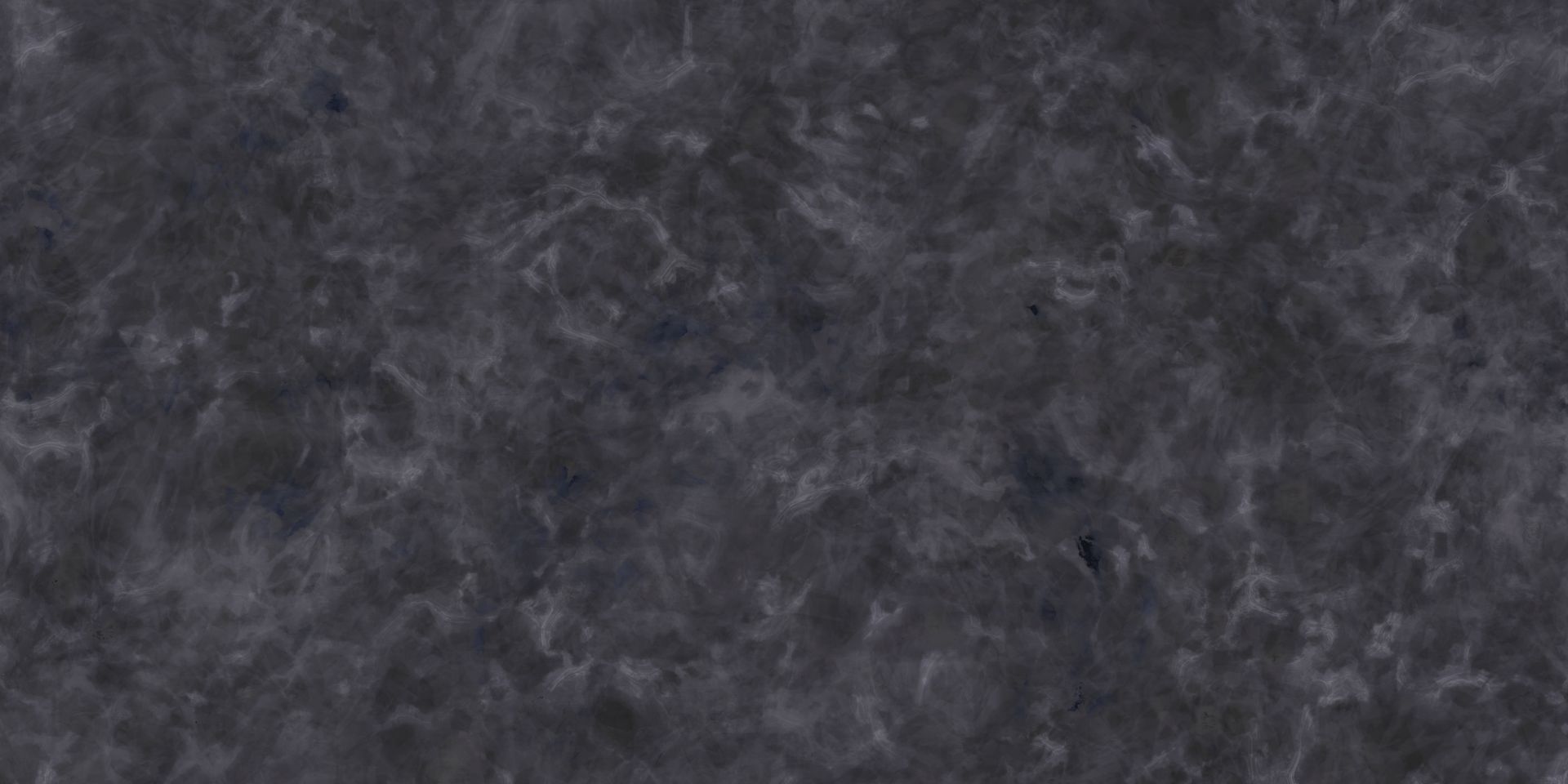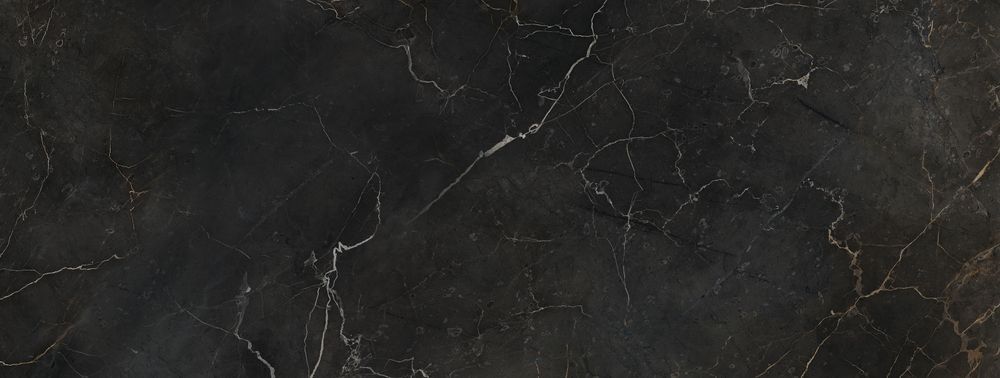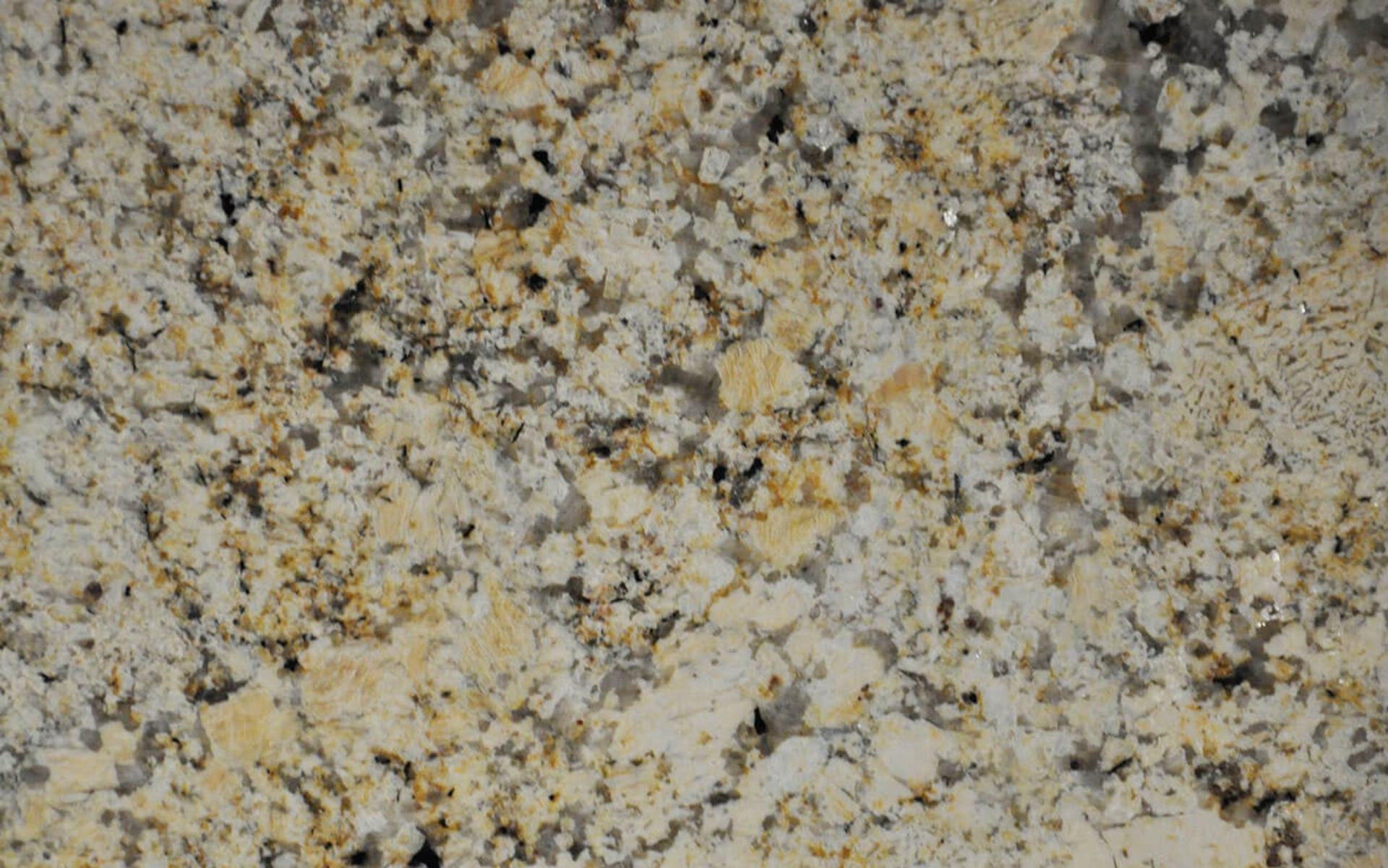
Amaara Quartzite
Amaara Quartzite Countertops in Connecticut
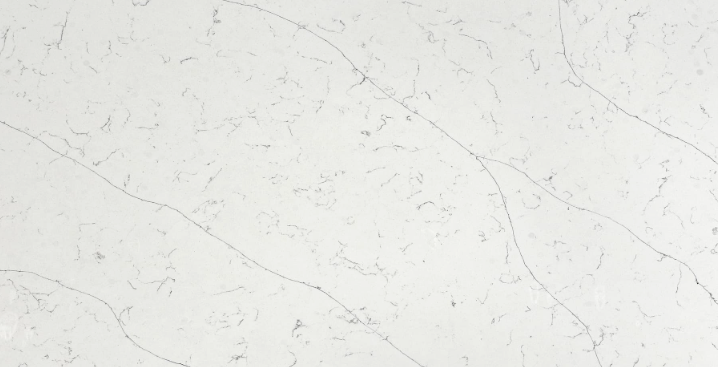
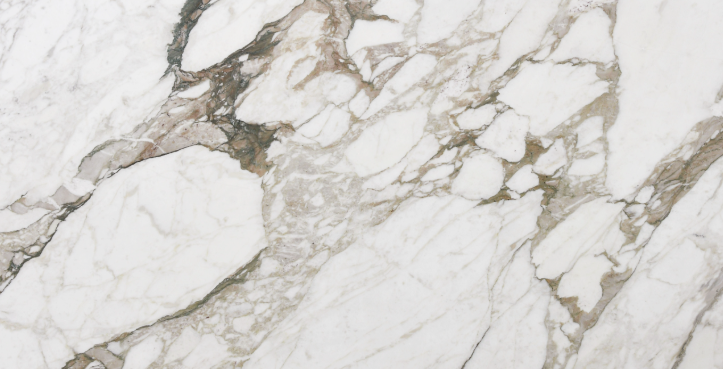
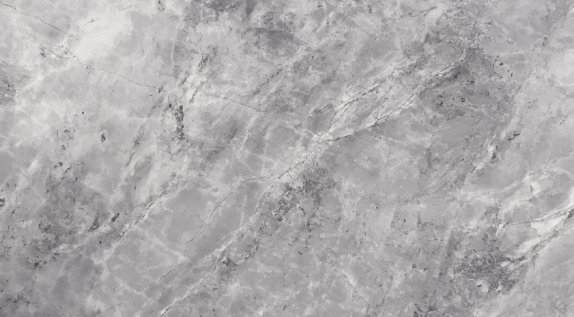
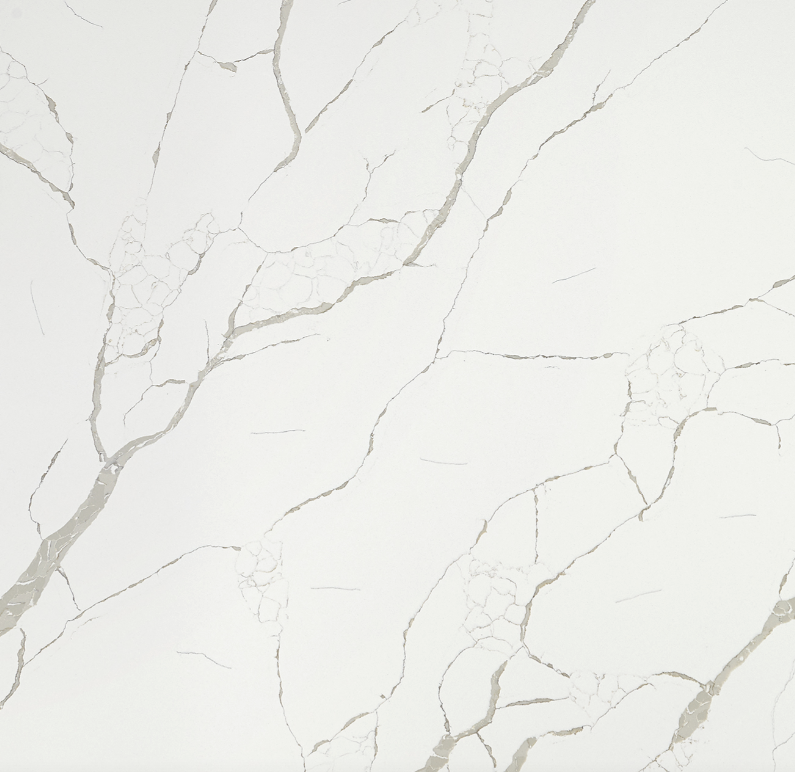
Amaara quartzite brings together a light natural background with dramatic gray and darker mineral movement, creating a distinctive surface for Connecticut homes. Its organic pattern can range from subtle variation to bold, branching details, giving each slab a one-of-a-kind appearance. The combination of light tones and natural movement allows Amaara to function as both a refined countertop material and a statement feature within the room.
The natural variation of Amaara makes it especially appealing for homeowners who want something more expressive than a uniform countertop. It can brighten kitchens with darker cabinetry, add texture to an all-white design, or complement natural wood tones for a warmer interior. Because the pattern is naturally formed, each slab can have its own balance of color, movement, and visual character.
For homeowners exploring quartzite countertops in Connecticut, Amaara can be used for kitchen countertops, large islands, bathroom vanities, bar tops, backsplash applications, and other custom interior surfaces where natural stone can serve as a focal point. Its distinctive appearance can elevate both contemporary and more traditional spaces while allowing the stone itself to provide much of the room's visual interest.
Amaara is a natural stone, so no two slabs will necessarily look exactly alike. Differences in veining, background tone, mineral concentration, and pattern direction are part of its character. Homeowners should view the actual slab available through Marble Design & Renovation LLC before finalizing cabinetry, flooring, backsplash materials, paint colors, or hardware.
Appearance and Design Characteristics
The defining characteristic of Amaara quartzite is its natural movement across a light stone background. Depending on the individual slab, the pattern may include soft gray areas, darker mineral details, fine lines, or more pronounced areas of contrast. These variations give the material a layered appearance that can change depending on the viewing angle and lighting.
The finished look of an Amaara installation depends heavily on how the slab is selected and positioned. A large island can showcase broad areas of movement and allow the natural pattern to become a centerpiece of the kitchen. Smaller applications, such as bathroom vanities or bar surfaces, may highlight a concentrated portion of the slab with particularly interesting veining.
Slab layout should be considered carefully before fabrication begins. When the stone contains prominent movement, the direction of the pattern can influence how the finished countertop looks from across the room. Strategic placement can help feature the most visually appealing portions of the slab while creating a more intentional relationship between connected countertop sections.
Lighting also plays an important role in how Amaara quartzite is perceived. Natural daylight may bring out subtle variations in the stone's lighter background, while warm interior lighting can emphasize darker mineral details and create additional depth. The final appearance may change throughout the day as sunlight moves through the space.
Designing With Amaara Quartzite
Amaara quartzite pairs well with a wide range of cabinetry because its natural palette can provide either contrast or continuity. White, cream, and light cabinetry can create an open, airy kitchen while allowing the stone's movement to remain the primary visual feature. Natural oak, walnut, and other wood finishes can reinforce the organic qualities of the quartzite and create a more inviting atmosphere.
Darker cabinetry can create a stronger contrast and make the lighter portions of Amaara stand out. Charcoal, deep green, navy, espresso, and black cabinets can provide a dramatic backdrop for the stone while allowing the natural pattern to become the focal point. Hardware in black, brushed metals, or warmer finishes can be selected depending on the overall design direction.
Amaara can be installed throughout the kitchen for a coordinated appearance or reserved for a large island as a statement surface. Using the material on the island can create a strong visual centerpiece while allowing more understated materials on the perimeter. A waterfall edge can further highlight the stone by extending its natural pattern vertically along the side of the island.
Backsplash selection should support the quartzite without overwhelming its natural movement. Simple tile, neutral stone, or other understated materials can allow Amaara to remain the dominant design element. A full-height backsplash fabricated from the same slab can create a continuous appearance and showcase the stone across a larger area.
Custom Fabrication and Professional Installation
Selecting an Amaara slab is only the first step in creating a successful countertop installation. Professional fabrication determines how the natural pattern is displayed, where seams are placed, how corners are handled, and how openings are cut for sinks, faucets, cooktops, and other fixtures.
The process begins with precise field measurements of the cabinets and installation area. Wall conditions, appliance locations, overhangs, seating areas, corners, support requirements, and access to the home all need to be evaluated before fabrication begins. Accurate measurements are particularly important in remodeling projects where existing spaces may not be perfectly square.
Once measurements have been confirmed, countertop sections can be planned across the available slab. With a highly varied natural stone such as Amaara, slab mapping is especially important because the direction and placement of the veining can significantly affect the final appearance. Careful planning helps ensure the most attractive areas of the stone are showcased in prominent locations.
Edge profile selection is another part of the fabrication process. A simple eased edge can provide a clean, contemporary appearance, while a more decorative profile may complement traditional cabinetry. The appropriate edge will depend on the thickness of the stone, cabinet design, overhang dimensions, and the overall style of the room.
Professional installation helps ensure the finished sections are properly positioned, leveled, joined, supported, and secured. Sink and cooktop openings require accurate fabrication, while large overhangs may require additional structural support. Proper installation contributes to both the appearance and long-term performance of the countertop.
Care, Maintenance, and Project Planning
Quartzite is a natural stone, and its care requirements depend on the specific material, finish, and sealer used. Routine cleaning can generally be handled with a soft cloth or sponge and a stone-safe cleaner. Homeowners should avoid abrasive products and harsh chemicals that may affect the surface or any protective treatment applied to the stone.
Spills should be cleaned promptly, particularly when working with a light-colored natural stone. Oils, food products, cosmetics, and strongly pigmented liquids may be more difficult to remove when allowed to remain on the surface. The manufacturer's recommendations and guidance from the fabricator should always be followed for the specific Amaara slab installed.
Quartzite can provide excellent durability for everyday residential applications, but natural stone should still be treated as a premium surface. Trivets or protective pads should be used beneath hot cookware, and cutting boards should be used during food preparation. These simple precautions can help protect the stone and maintain its finished appearance.
Sealing requirements can vary depending on the specific slab and finish. Homeowners should discuss sealing recommendations with Marble Design & Renovation LLC and follow the care instructions provided for the installed material. Proper maintenance can help preserve the appearance of the stone and protect against staining.
Before selecting Amaara quartzite, homeowners should view the available slab in person and consider how its natural movement will work with the room's permanent finishes. The decision should account for the slab's appearance, layout, lighting, intended use, maintenance needs, and overall dimensions of the project.